
An Extra Special Stop in Asturias, Spain
One of the special things about this trip is that we both get to visit some of our families’ native lands. For me, those were Italy and Ireland; for Gabriel, it is Spain. We split our time in Spain into two parts so we could fit in a guided tour of Morocco. We spent the first part in Asturias and will be spending the second part in Barcelona, Madrid, Cordoba, Granada, and Seville.
Asturias is a region in northwest Spain that boasts impressive mountains, beautiful coastlines, stunning churches, and rich traditions. This is also where Abuelito (Gabriel’s paternal grandpa) is originally from, so we were very excited to fit it into our itinerary. We based ourselves in Oviedo and made day trips to Gijon, Cangas de Onis, Covadonga, and into the Picos de Europa.
Oviedo
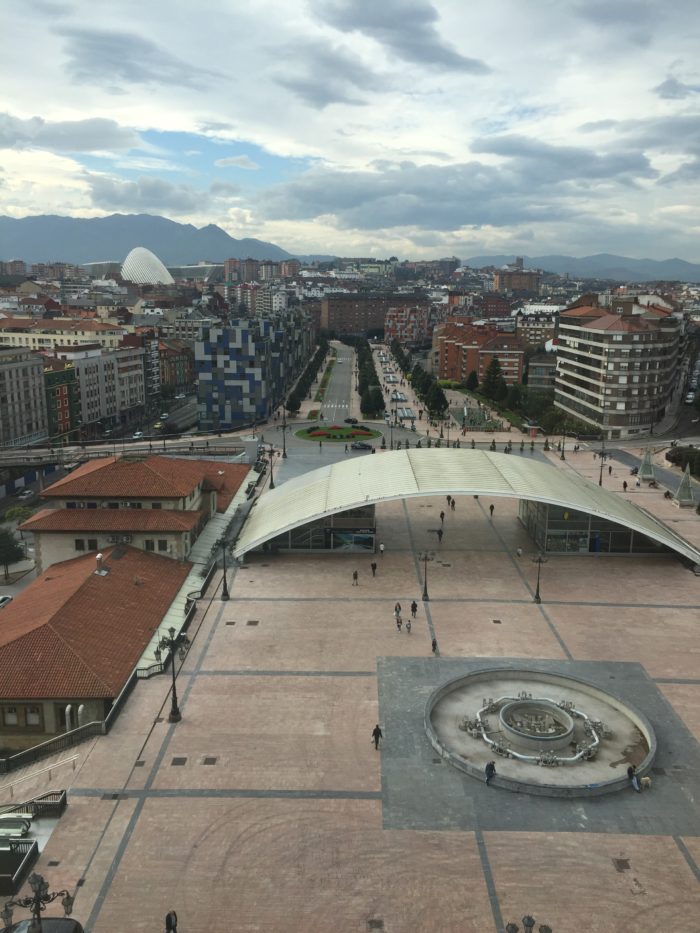
Oviedo is the perfect combination of a relaxed Spanish town and modern city, which made it an easy place to settle for a few days. It’s also impeccably clean and the people are so friendly.
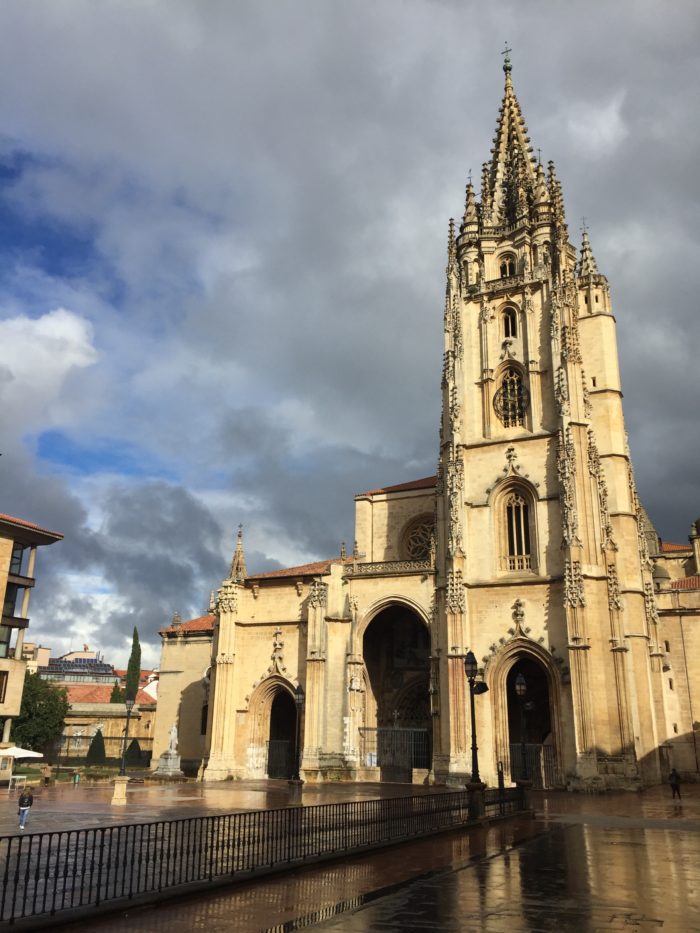
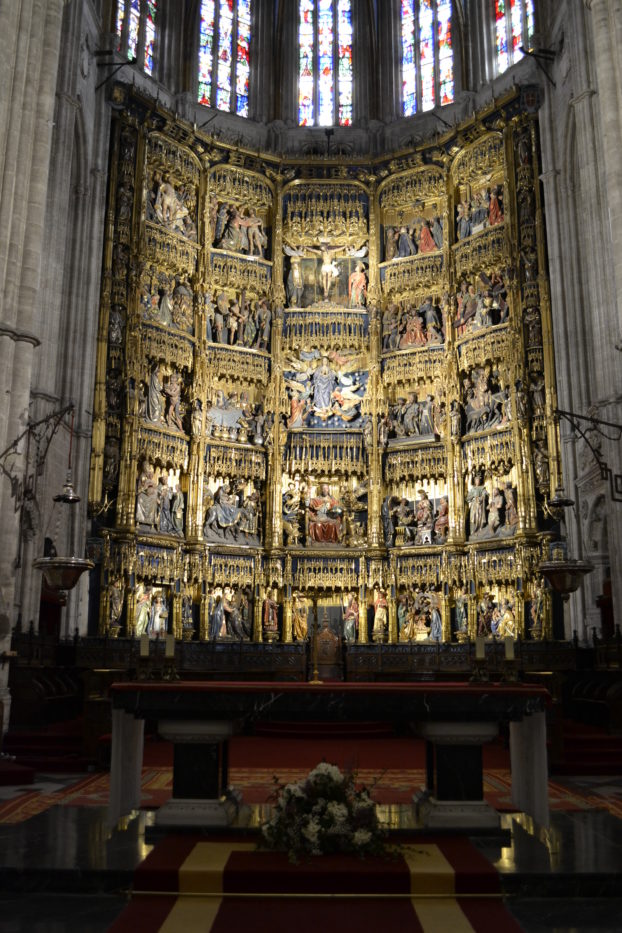
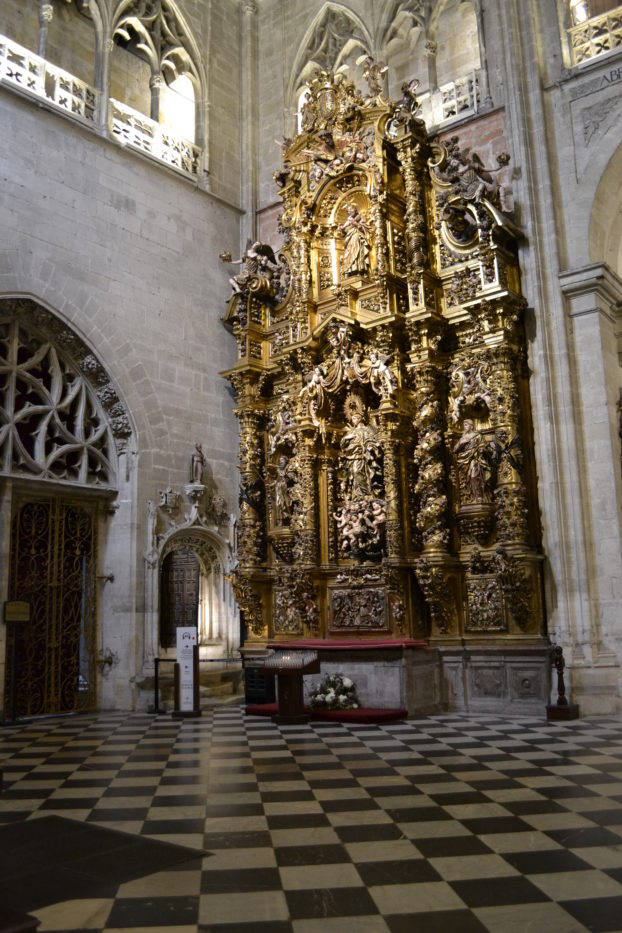
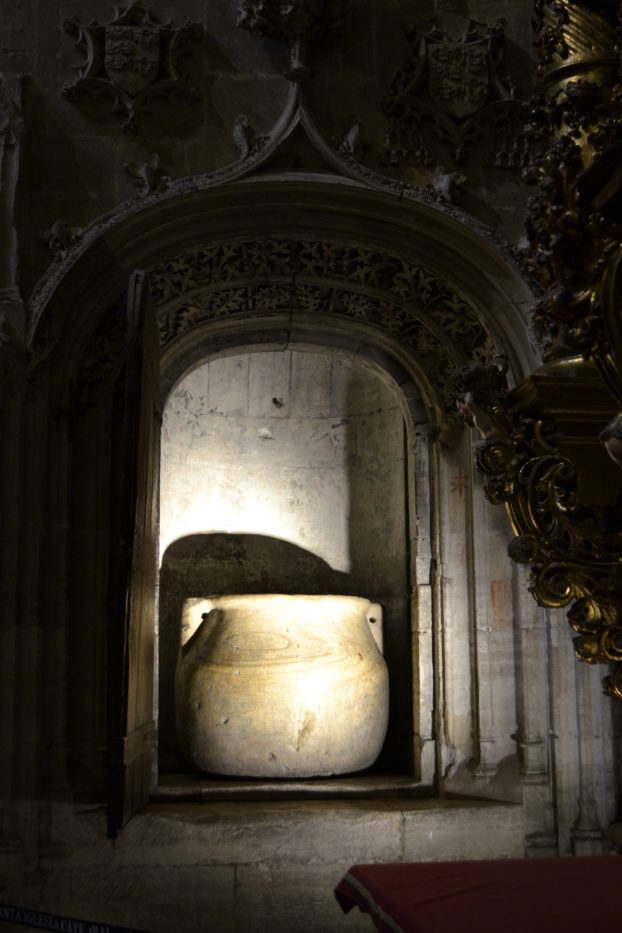
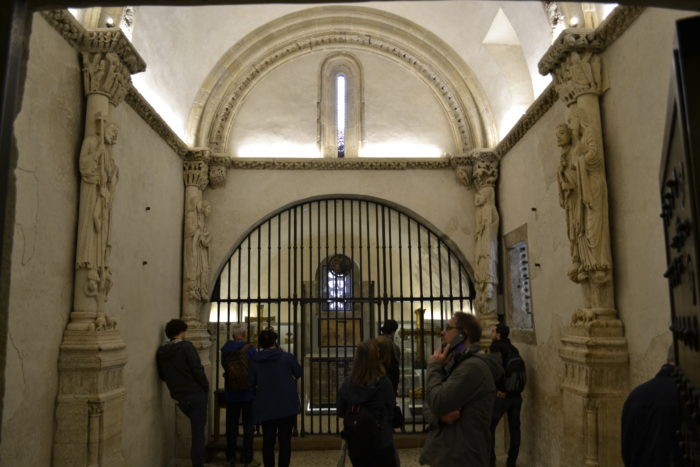
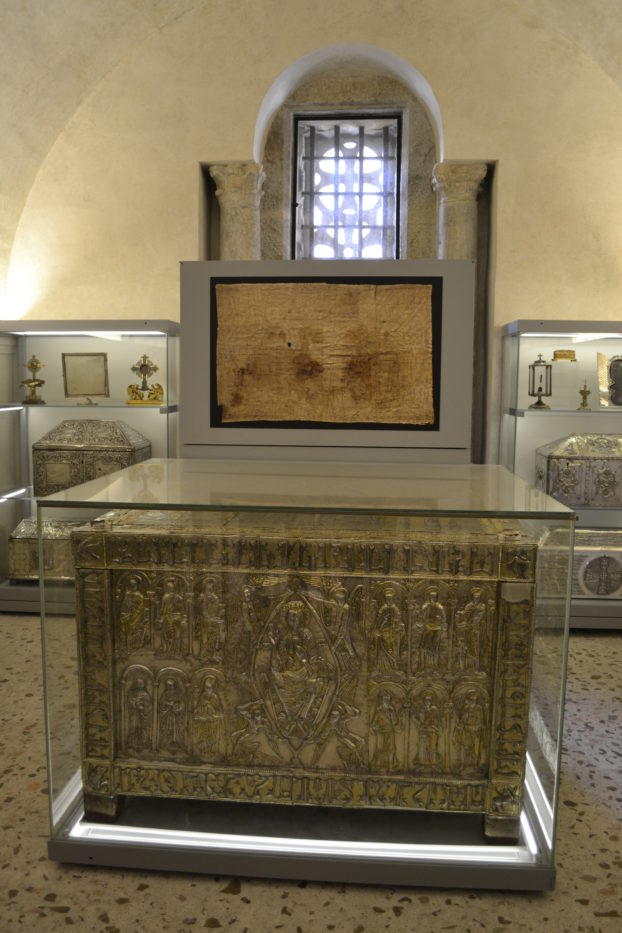
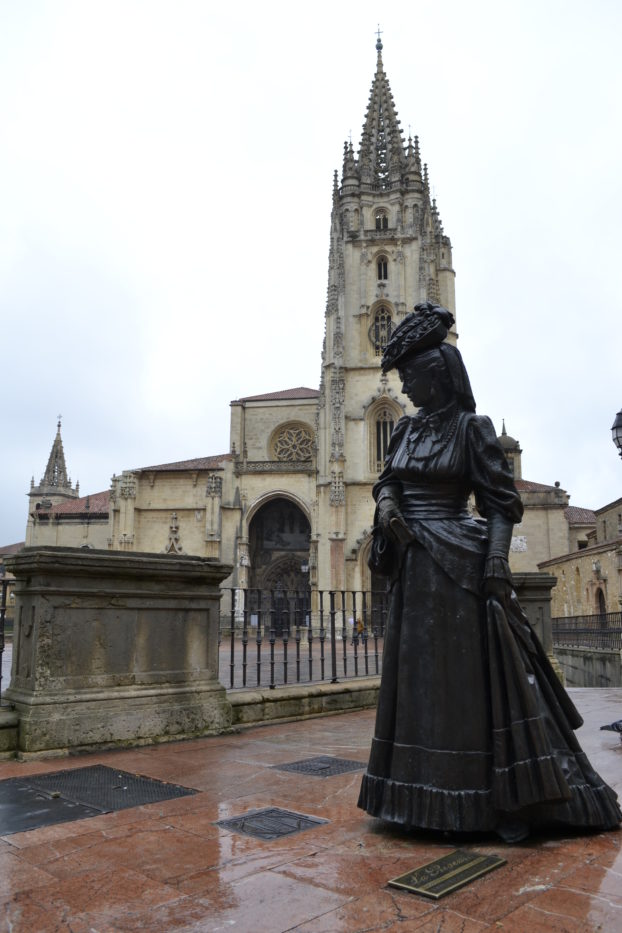
The main attraction of this city is the Catedral de Oviedo, and for good reason. It is spectacular inside and out! It was built in the 9th century and is an important stop on the the Way of St. James. The Cathedral itself houses stunning artwork and sculptures, including the Great Altarpiece that tells the story of Jesus in exquisite detail. It also holds one of the six water jugs used at the Wedding at Cana. Attached to the cathedral is the Holy Chamber that houses some of the Christian world’s important relics, most importantly the holy Shroud. Talk about a humbling experience!
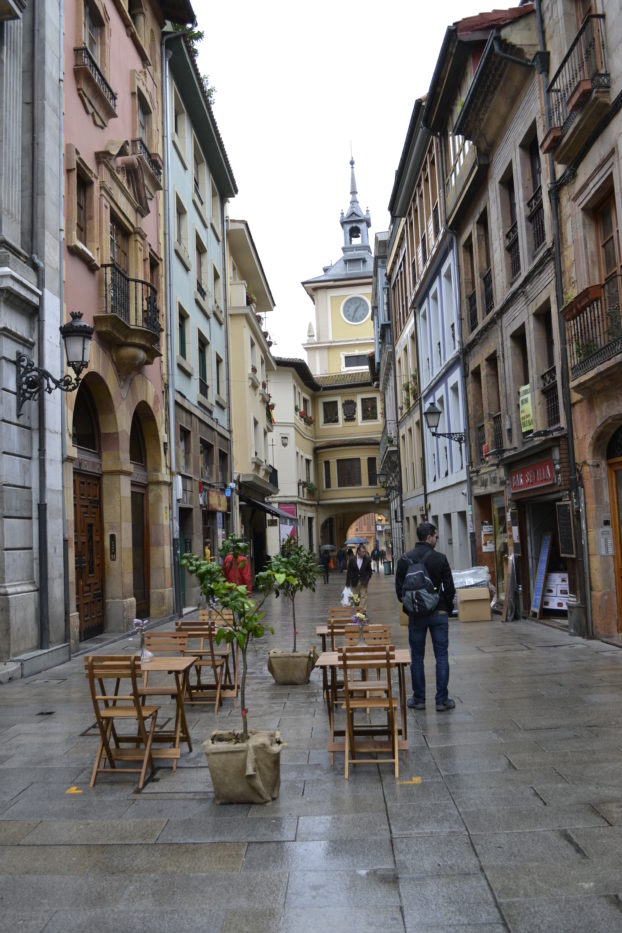
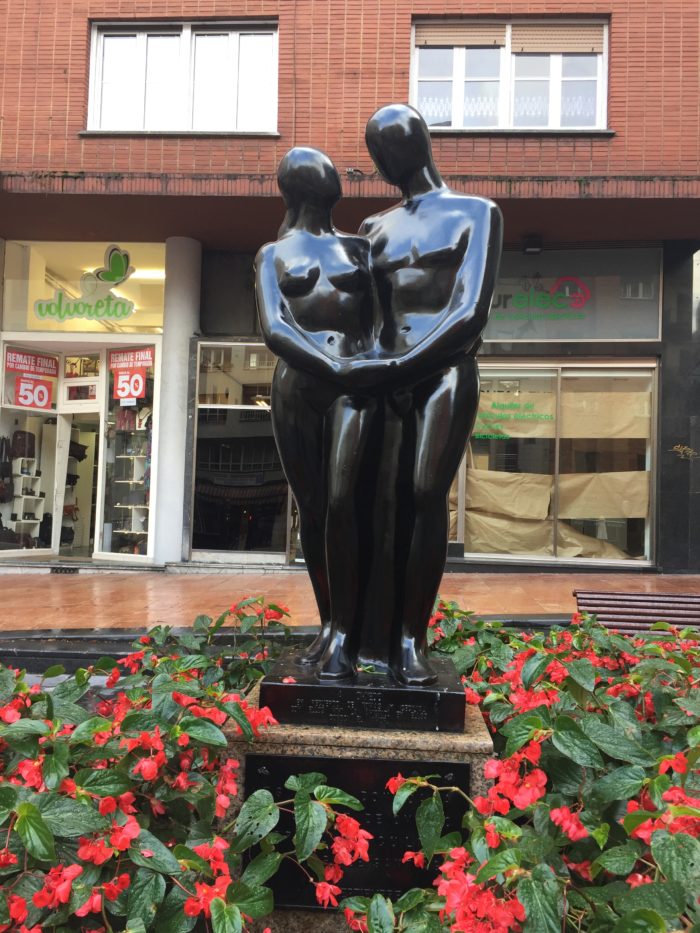
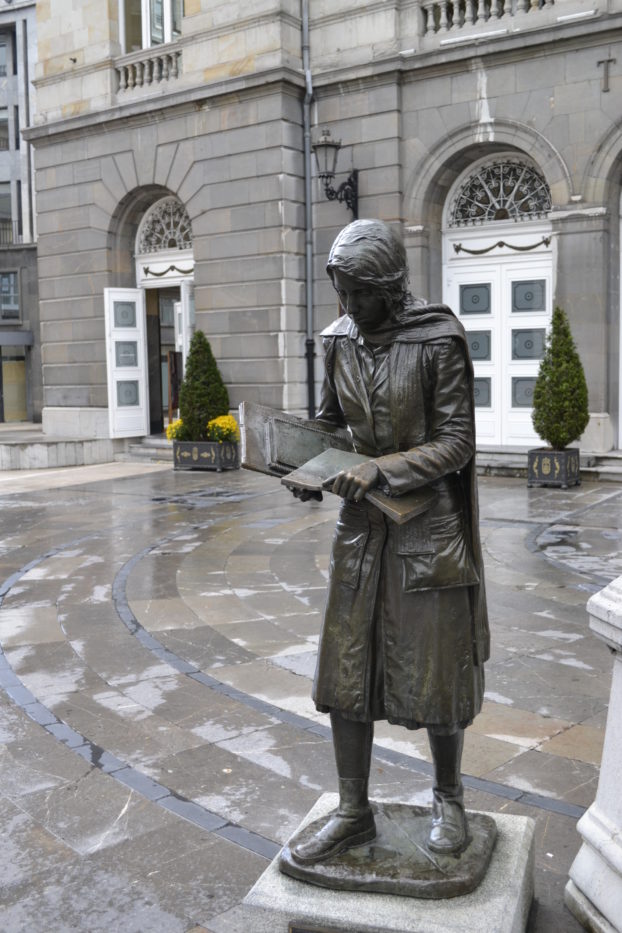
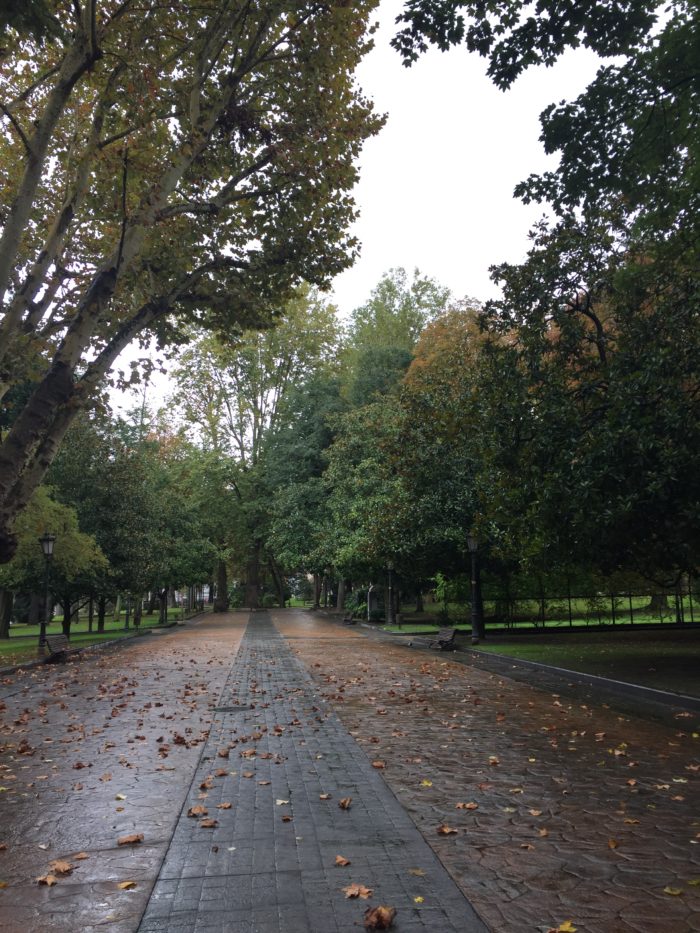
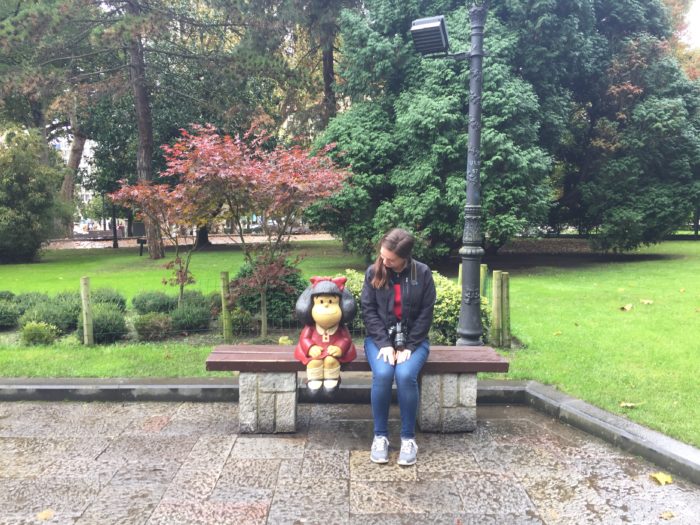
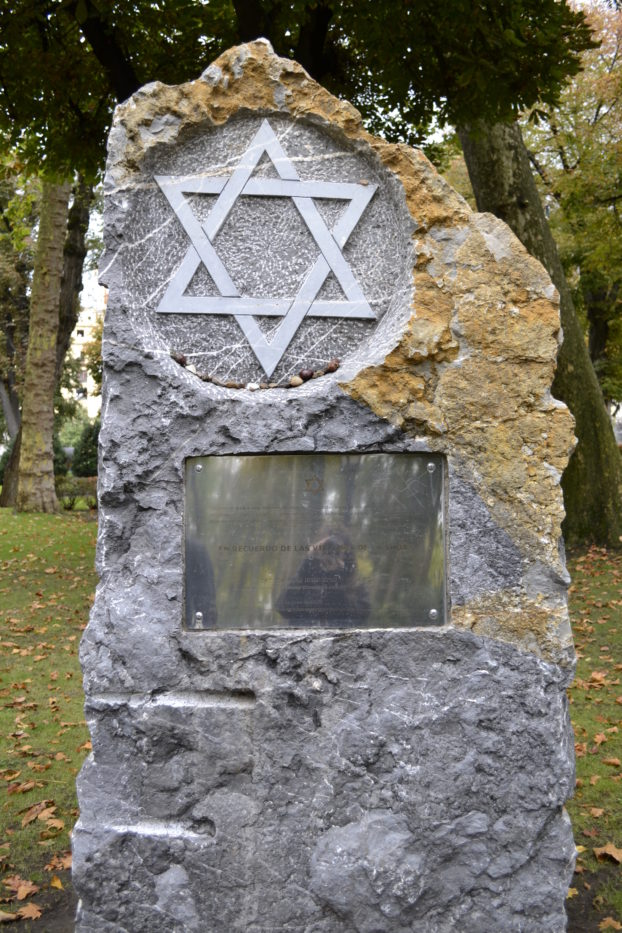
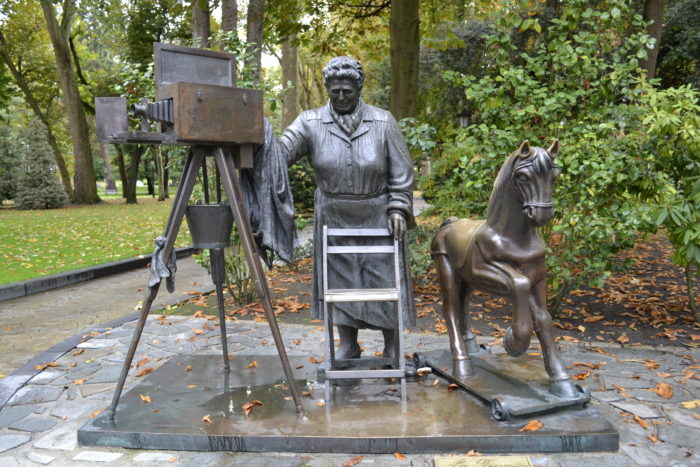
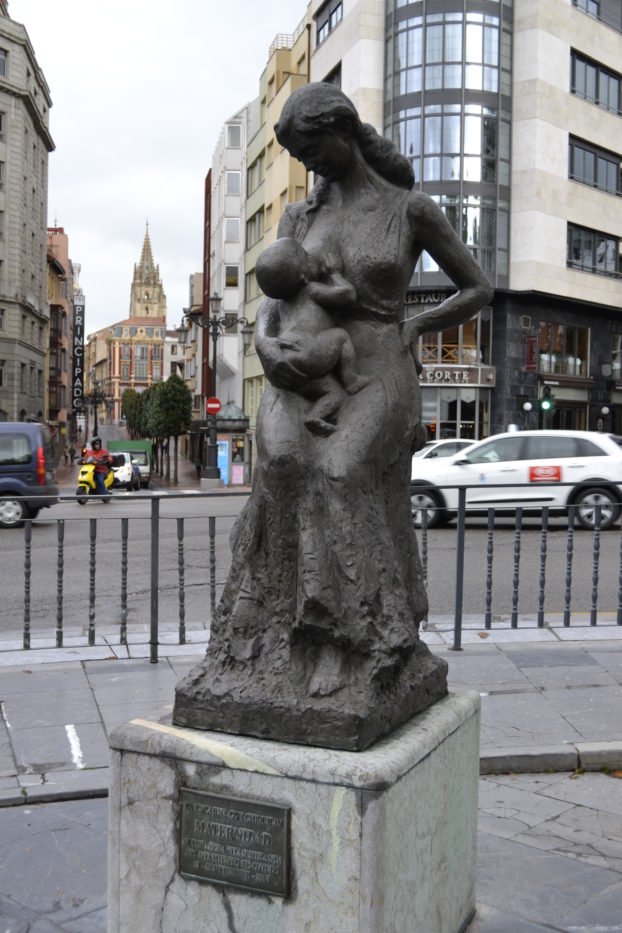
The rest of our time in Oviedo was spent strolling through the streets and enjoying the sights, smells, and sounds. We peppered in some tourist attractions, such as the museum and smaller churches (including the San Julian de Los Prados), when they were open. Our favorite walk, though, was through the large garden in the center of the city where small monuments and statues are nestled among the lush flower beds under the shade of fall-colored trees. This city will forever be known to us as the “land of statues” — there were so many!
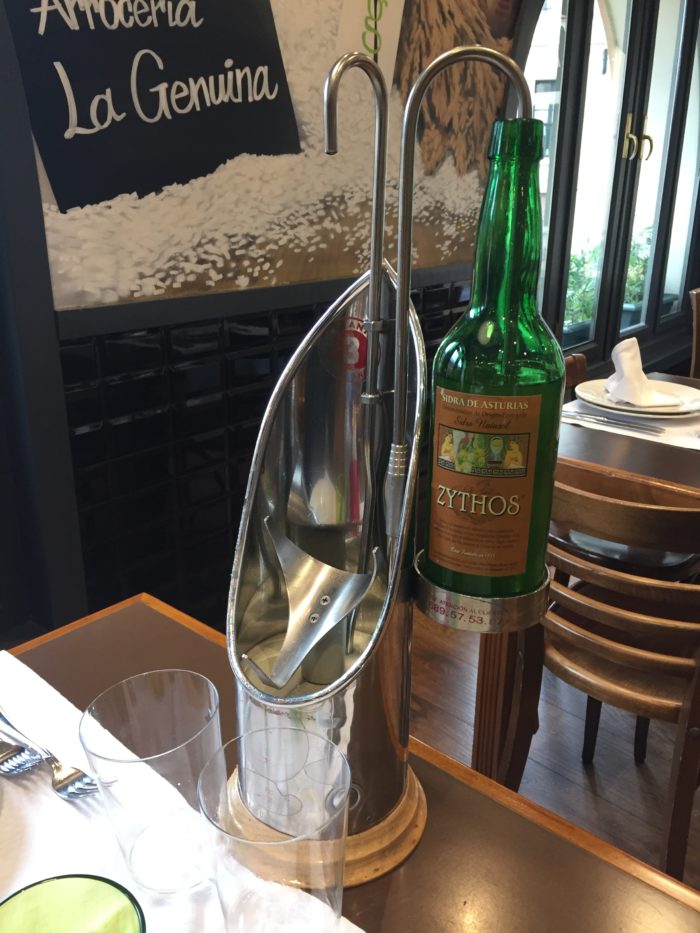
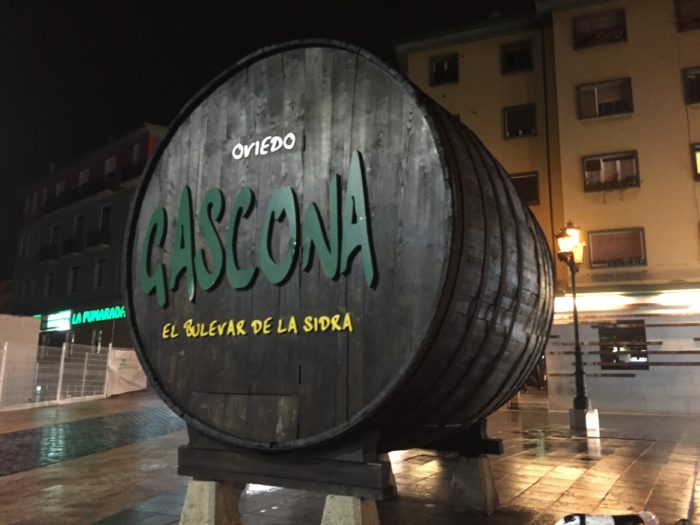
Aside from the friendly people and the beautiful setting, another favorite part was the sidreria culture. Cider is a staple in this part of Spain. We got our first taste at La Genuina, where we had lunch on the first day. The waiter set a metal cider dispenser on our table and taught us the basic rules: pour a small amount and drink it all at once.
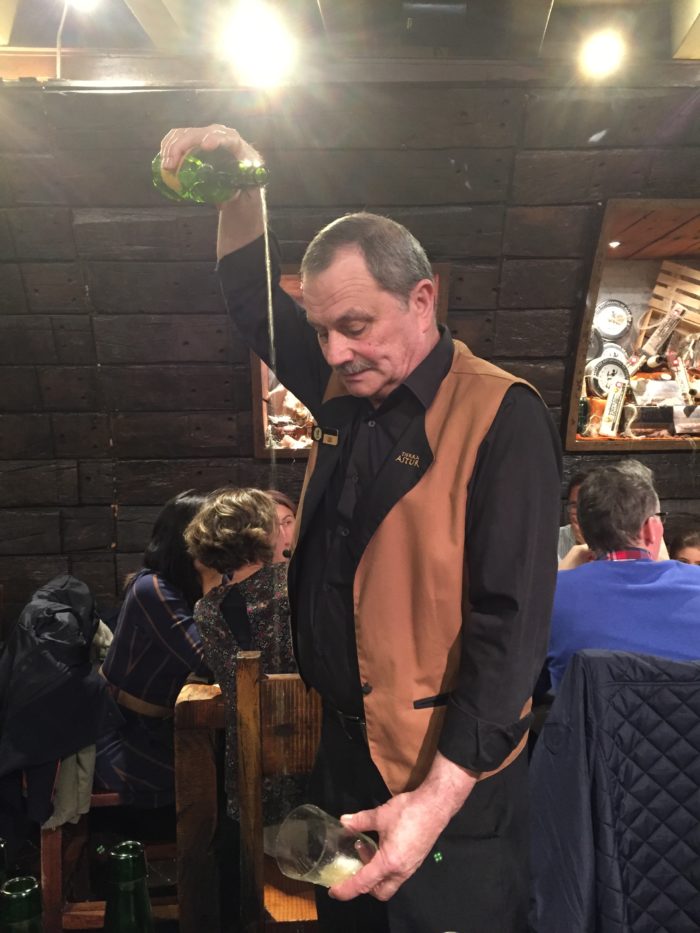
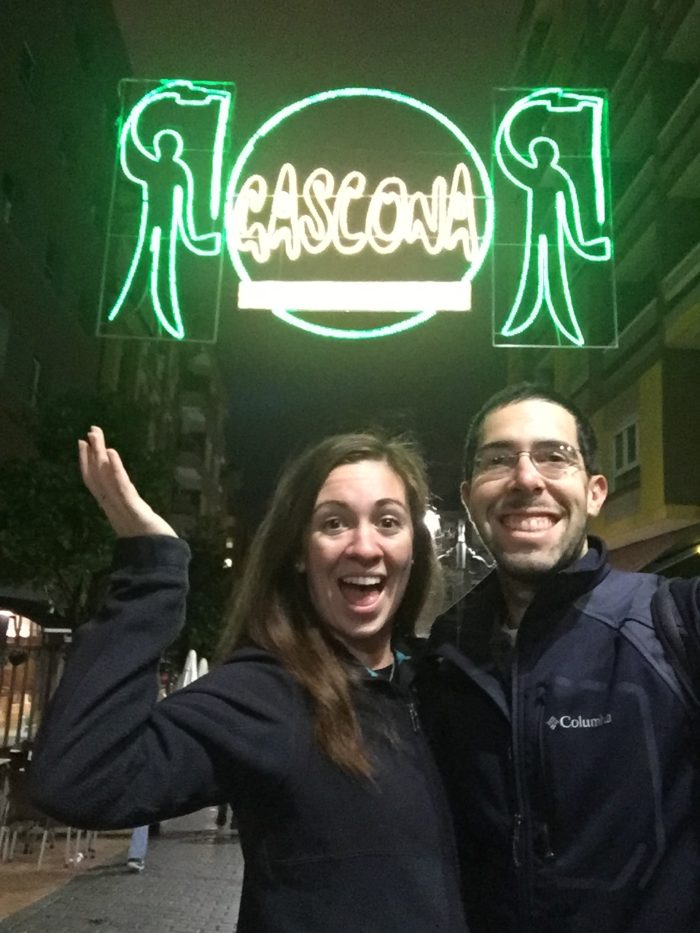
We were thankful for that tame introduction to the tradition because that night — and almost every night after — we got the true sidreria experience. A waiter left a bottle at our table but we never poured it ourselves; following everyone else’s lead, we simply waited for him or her to make the rounds to pour each glass using an impressive technique that apparently takes years to master! We enjoyed lots of various tapas at the 4 sidrerias we visited over the course of our stay, but the show and the lively atmosphere (minus the sticky/slippery floor) were definitely the best parts!
Gijon
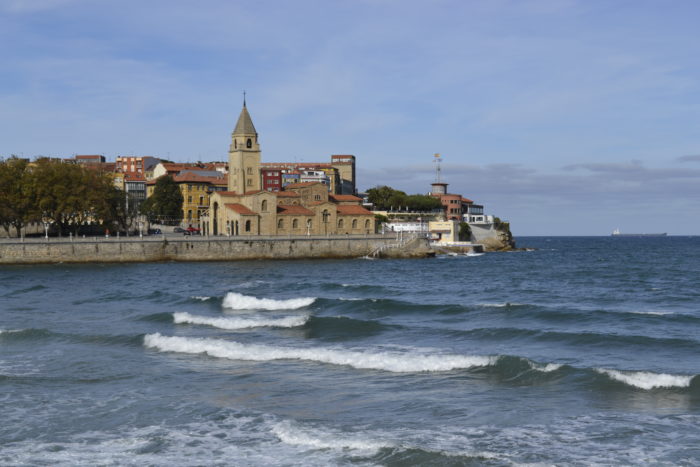
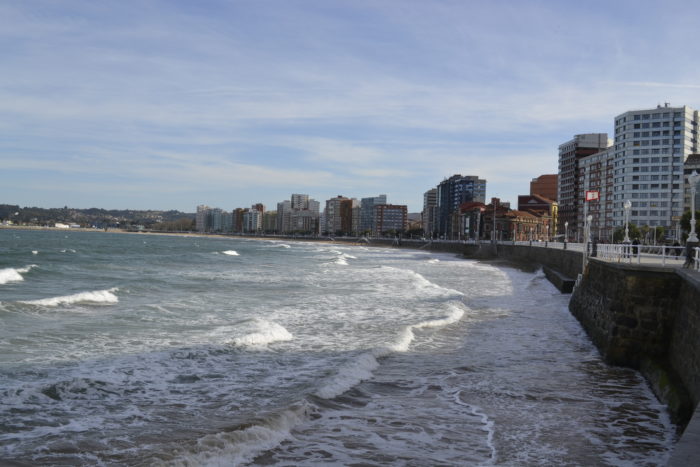
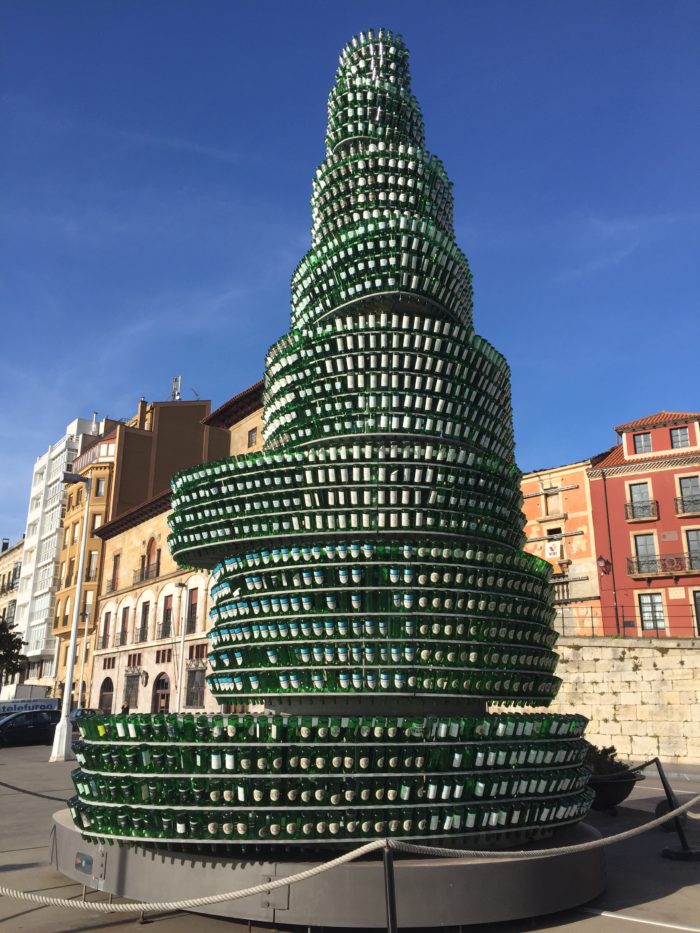
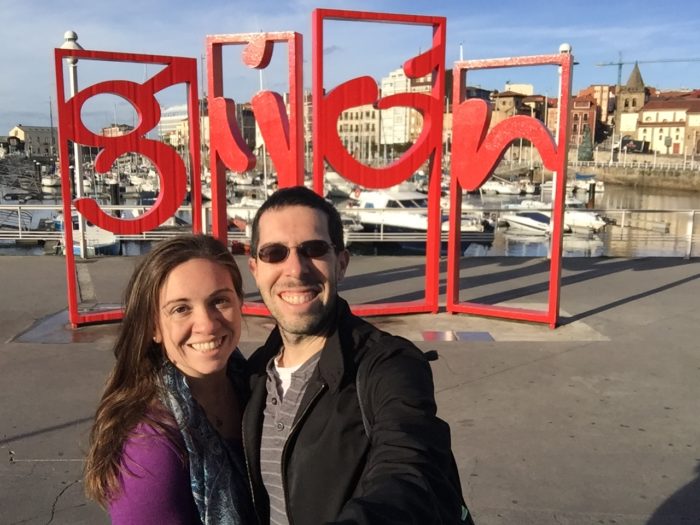
Gijon felt like a quintessential seaside town. We spent half a day there just walking by the water, enjoying a hike up to a scenic overlook, and enjoying tapas at a cafe in a small neighborhood. (Crochettes were giving both of us life at this point!) This little town felt a bit more industrial than Oviedo, but the seaside vibe gave it a unique charm we were happy to soak in for a few hours. It also seemed that most of the locals were on holiday, so our impression was that this was a sleepy little town. I’m sure it picks up a lot in the peak season.
Cangas de Onis and Covadonga
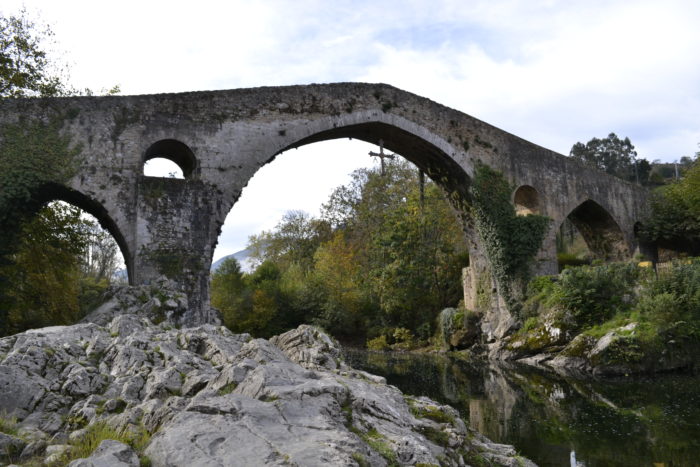
We made a relatively quick stop in Cangas de Onis to see the famous 5-arched Roman bridge. It is quite a beautiful bridge set over the Sella River, especially with the Victory Cross hanging in the center.
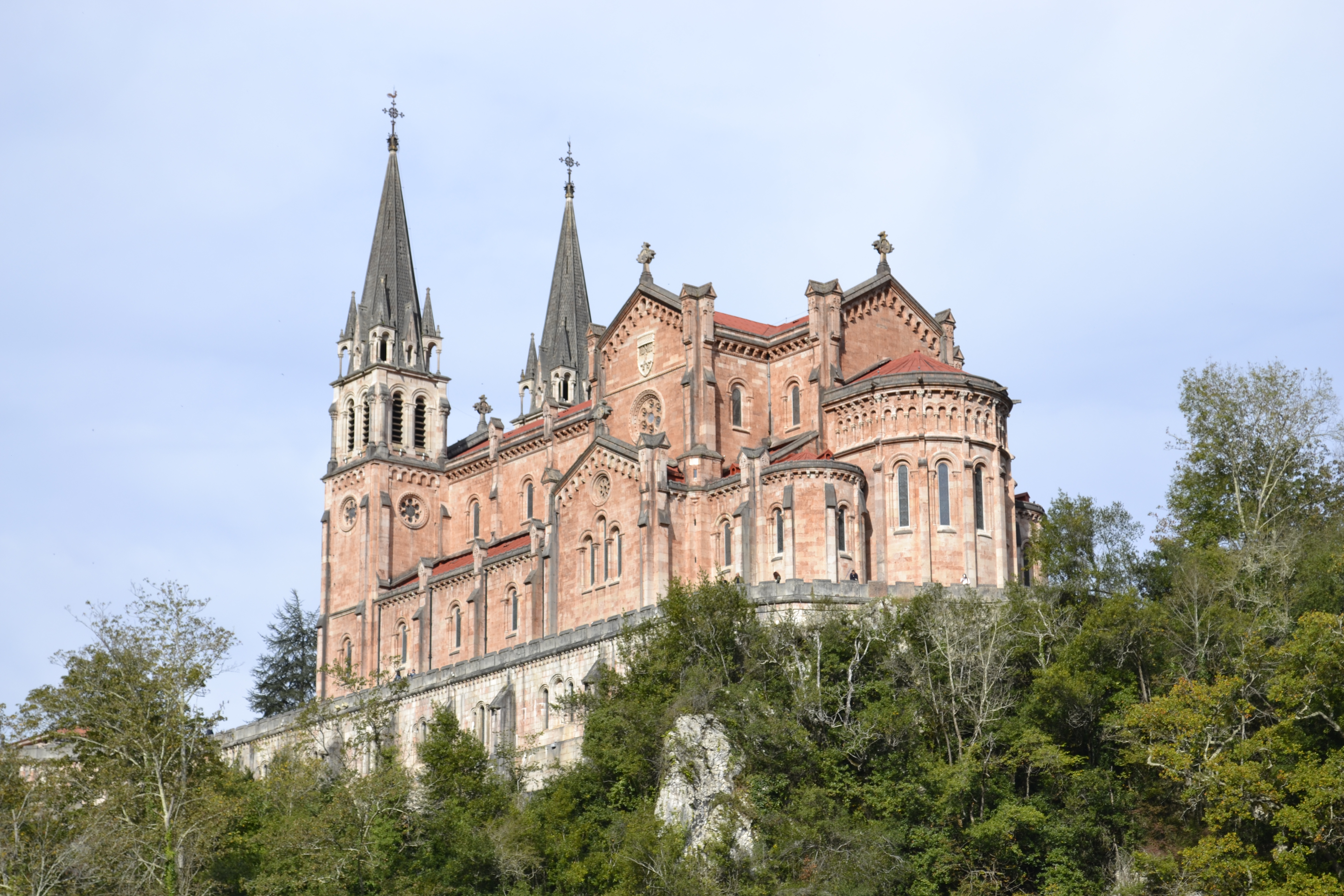
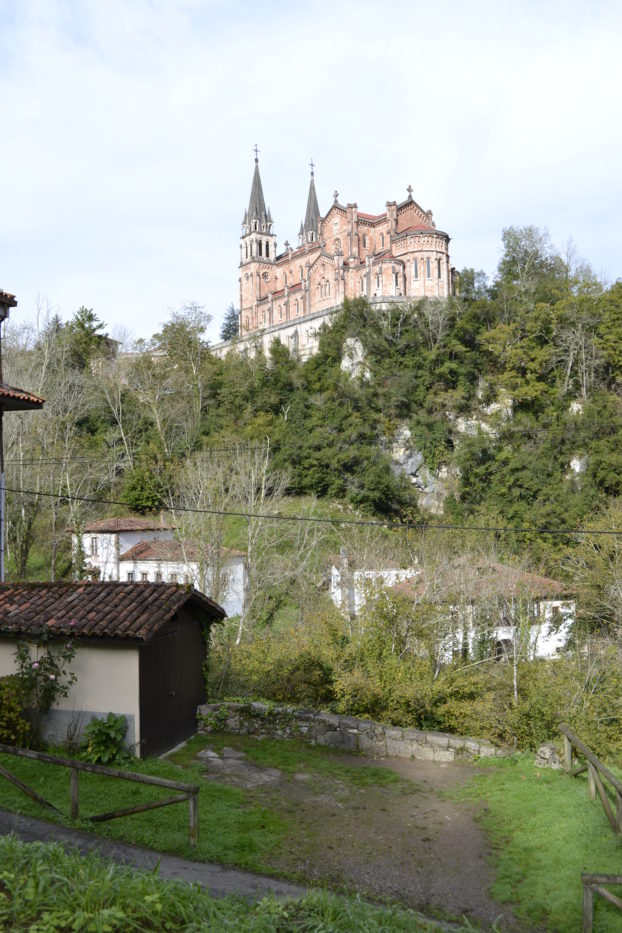
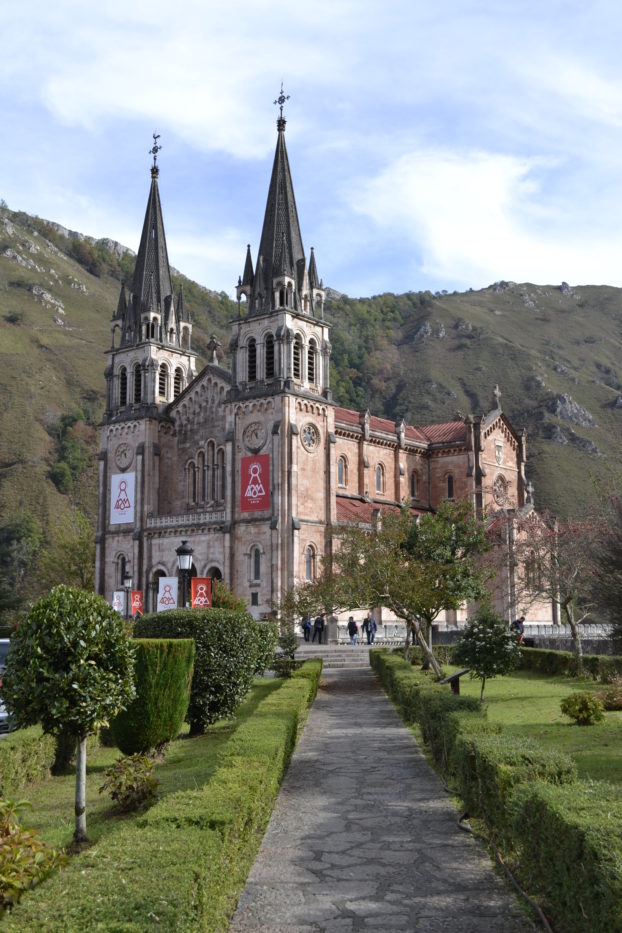
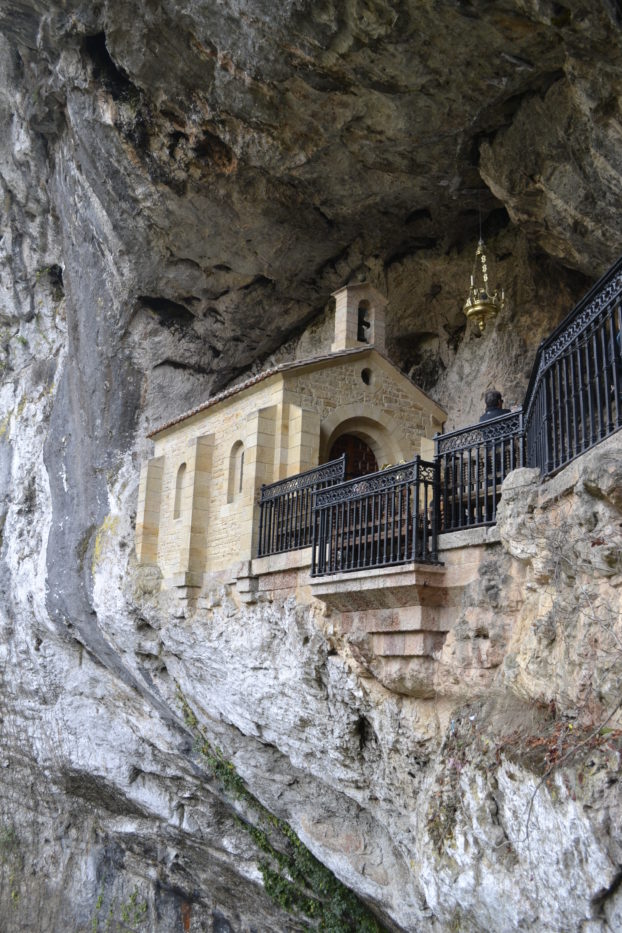
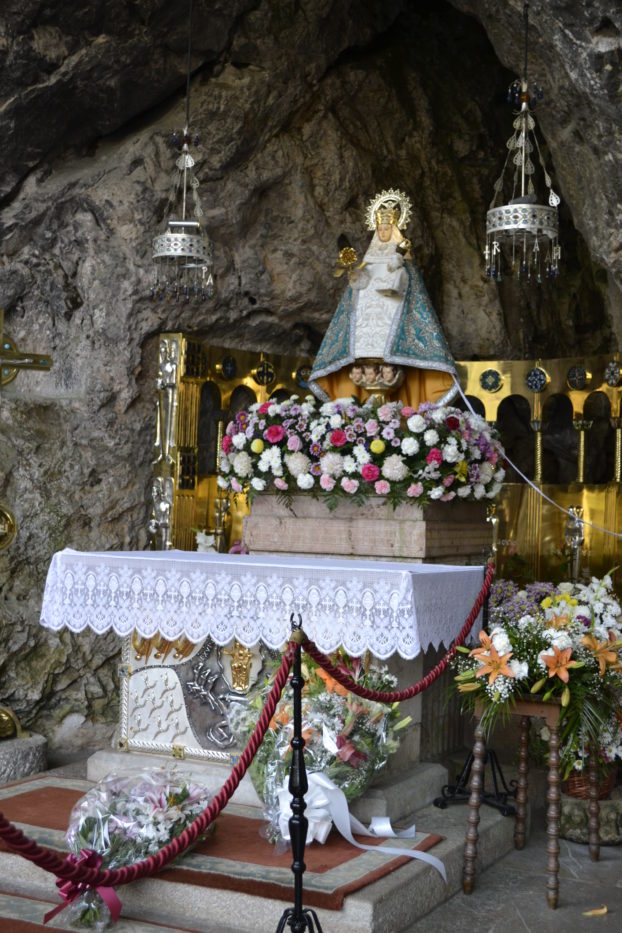
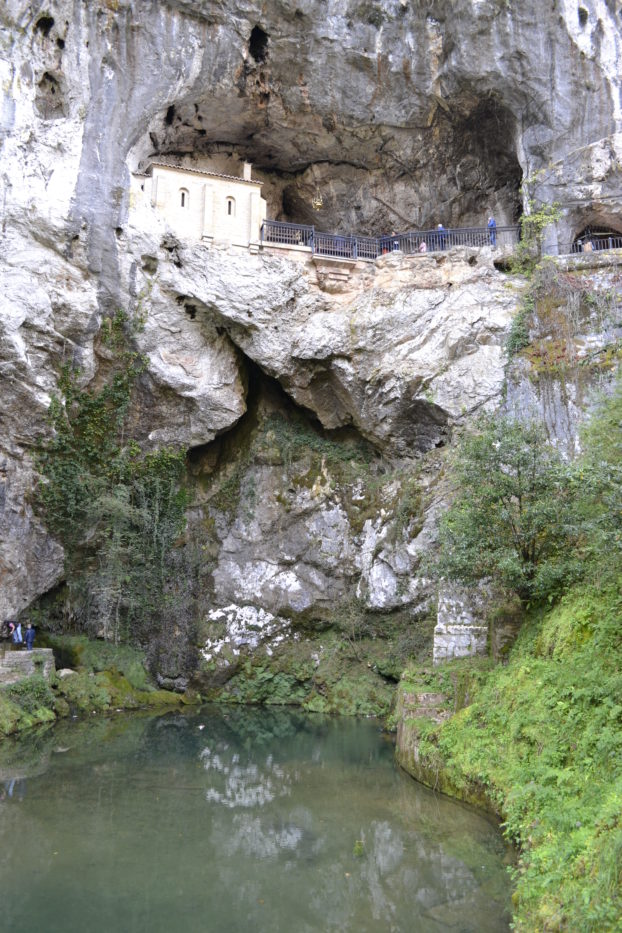
Then we weaved our way through the mountains to the Basílica de Santa María la Real de Covadonga and the Santa Cueva de Covadonga (Sanctuary of Covadonga). We were completely blown away by the beauty of this place! The cathedral, perched atop the hill, was connected by a pathway and a small tunnel to the Marian sanctuary that was carved into the side of the mountain. This is said to be where Our Lady of Covadonga appeared to Pelayo (the nobleman who founded the Kingdom of Asturias) during battle and helped him win. The atmosphere was serene, reverent, and awe-inspiring. Now we know why Abuelito’s eyes lit up when we told us about this gorgeous place!
After soaking up the stunning views of Covadonga, we weaved our way even further into the mountains, the Picos de Europa. Our goal was to hike to the lake, so we parked at a trail head with a sign that read: “1.5 hours to lake”. Cool. We walked…and walked…and walked…and the closest thing we found to a lake was a huge valley with cows and horses. It wasn’t a total loss, though, because the views were spectacular! Plus, we got 3 solid hours of clean, fresh air, so we’ll call that a win.
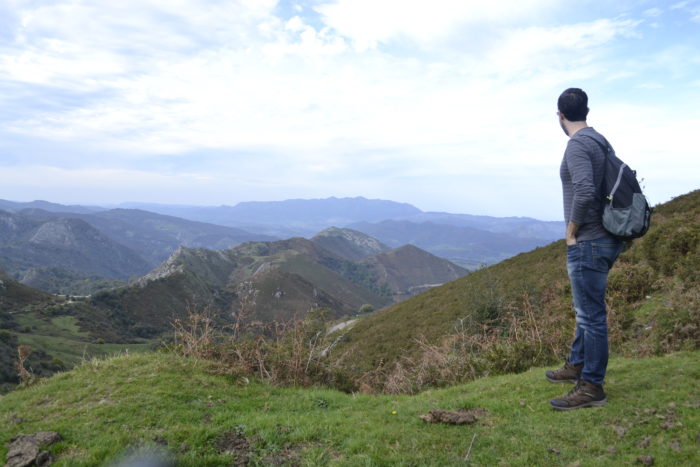
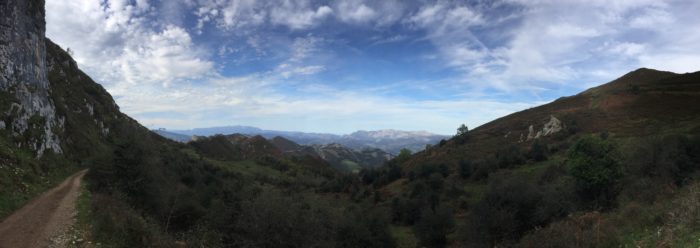
Back at the car, we decided to make one more push and eventually did find the lake. It was nowhere close to where the sign had pointed us and probably would have taken 3 hours one way! I was immensely grateful that Gabriel let us find it by car rather than by walking.
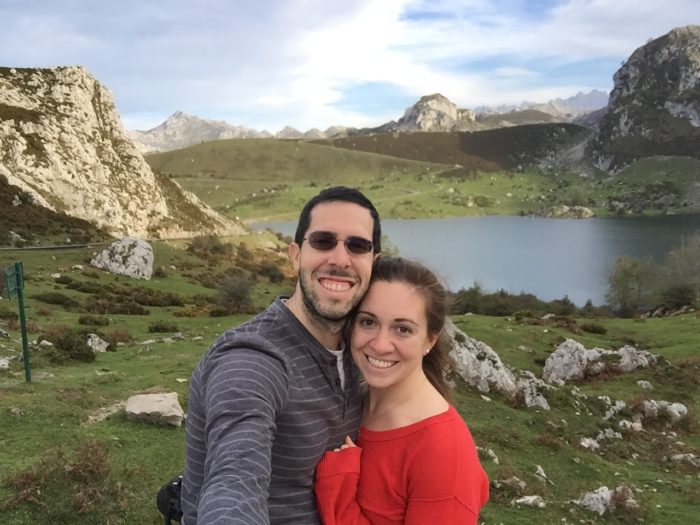
After 4 full days of seeing some of the very best Asturias has to offer, we can confidently say that no trip to Spain would be complete without a stop in this gem of a region.
Now we’re off to Morocco for an 8-day group tour! Stay tuned for what are sure to be some pretty epic stories and photos!
Biggest hugs,
Juliette